Installing and connecting solar is electrical work in Queensland, licensed by the Electrical Safety Office, and the business contracting for it needs an electrical contractor licence. Under the Electrical Safety Regulation 2026, its advertising, a website included, must give the licensed or registered business name, state that it's licensed under the Act and show the contractor licence number. Our Brisbane electricians page covers those rules, and our solar installers page covers SAA accreditation and the federal battery discount. What shapes a Brisbane solar site is the network. Energex runs the distribution network across about 25,000 square kilometres of South East Queensland, so the same connection rules, export options and backstop requirement apply whether the roof is in Brisbane, Logan, Ipswich, Redland or Moreton Bay. A site that names the suburbs and council areas you actually cover, rather than “all of SEQ”, tells a buyer in Springfield or Cleveland straight away whether you'll come out.
Queensland law limits how far a body corporate can stand in the way of solar. Chapter 8A of the Building Act 1975, as amended from 10 June 2022, means a body corporate in an apartment building, where the roof is common property, can refuse consent for solar only to protect the building's structural integrity, where there isn't enough roof space left for each other unit owner, or, for solar hot water, to stop piping noise. The Queensland Government says a refusal based only on the building looking less attractive should be reconsidered, and unresolved disputes go to the Office of the Commissioner for Body Corporate and Community Management. On a standard format plan, common for townhouses, the roof is usually part of the lot, but by-laws often still require approval for changes to the external appearance. If you quote for these jobs, a page for owners and committees, saying what you need from them before quoting, earns its place.
Older houses raise a different question. Brisbane's local heritage places are mapped on the Heritage overlay in City Plan 2014, and Council's General Exemption Certificate for those places lets owners install services such as solar panels without an application only if the new equipment and service lines can't be seen from the street and don't intrude on views to or from the place. Fixings must be reversible, under 16 mm in diameter and kept to the minimum, and they can't go into face brick or stone except through the mortar joints. Anything outside those conditions needs a Heritage Exemption Certificate, which means an application, a fee and Council approval before work starts. If you've installed on heritage-listed homes, photos of discreet rear-facing arrays and a line on how you handle those conditions will be read closely.
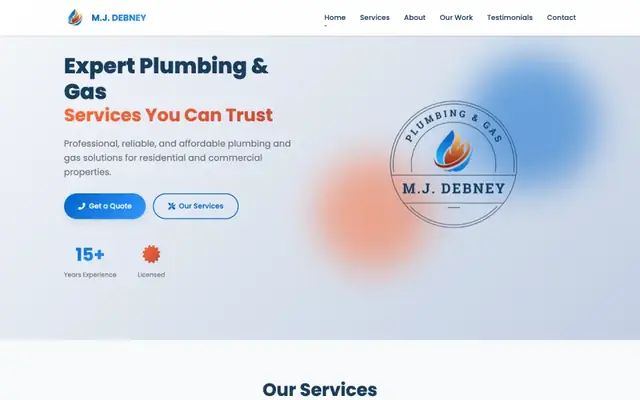
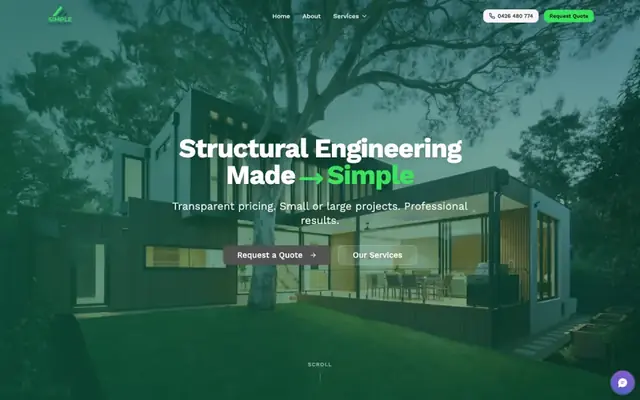
We're a web design team at Ste 3/110 Hutt St, Adelaide, working with Queensland businesses by phone and email. We haven't built a site for a solar or battery company, and we won't present other work as if it were. Our Queensland clients include a plumber and gas fitter and a Bayside dance school, and every page described above is assembled from parts we've already built: upload forms, service pages with their own questions, galleries and tap-to-call.